
The normal role of proteases In acute healing, matrix metalloproteinases (MMPs) and
neutrophil elastase are part of the plan — they contribute to all phases of healing by regulating
immune cell influx, helping fibroblasts and keratinocytes migrate, and remodeling scar tissue.
Protease activity rises during the inflammatory phase to clear debris and bacteria, then declines
within the first few days as the wound moves from inflammatory into proliferative phase.
What goes wrong in chronic wounds That decline never happens. Chronic wound fluid shows
roughly 30-fold greater protease activity than acute wounds, with MMP-2, MMP-8, MMP-9, and
neutrophil elastase specifically found in excess. Compounding the problem, chronic wounds
also show lower levels of TIMPs (tissue inhibitors of MMPs) that would normally keep these
enzymes in check — so the imbalance runs in both directions at once.
Why that stalls healing The excess protease activity does real damage rather than just
cleanup:
● It digests protein growth factors, cell surface receptors, and extracellular matrix
molecules — making it one of the primary blockers of the healing cycle
● Proteolytic destruction of collagen and other ECM proteins delays or prevents the wound
from entering the proliferative phase, and it further attracts more inflammatory cells —
perpetuating the inflammation cycle rather than resolving it
● Bacterial contamination and infection can prolong and amplify the inflammatory
response, driving cytokine and protease levels even higher
Where the excess protease activity comes from The elevated proteolytic profile is largely
explained by increased numbers of neutrophils, which produce and store large amounts of
these enzymes to clear tissue debris and bacteria — but in a wound that stays chronically
inflamed, that neutrophil supply (and the enzyme output) never tapers off. Certain bacteria can
also directly modulate host protease levels at the wound site, further shaping the repair
trajectory.
Clinical implications Reducing inflammation lowers protease levels and lets the wound
progress through the normal phases — sharp debridement removes senescent cells and
unhealthy tissue and addresses MMP overproduction, and some dressings are designed to
regulate MMP activity directly, e.g. superabsorbent or high-ionic-charge dressings that bind and
downregulate MMPs in wound drainage. This is the same rationale behind protease-modulating
dressings (like collagen/ORC dressings) as a treatment category.
1. Nwomeh BC, Yager DR, Cohen IK. Proteases and Delayed Wound Healing. Adv Wound
Care. — PMC3842891 / PubMed 24688830.
2. Sabino F, auf dem Keller U. Matrix metalloproteinases in impaired wound healing.
Metalloproteinases in Medicine (Dove Medical Press), 2015.
3. Krishnaswamy VR, Mintz D, Sagi I. Matrix metalloproteinases: the sculptors of chronic
cutaneous wounds. Biochim Biophys Acta. 2017. (ScienceDirect S0167488917302082)
4. Trengove NJ, Stacey MC, MacAuley S, et al. Analysis of the acute and chronic wound
environments: the role of proteases and their inhibitors. Wound Repair Regen. 2000.
PubMed 10633003.
5. Yager DR, et al. (cited in patent literature re: elastase degradation of PDGF/TGF-β).
USPTO 6599523.
6. WoundSource. Matrix Metalloproteinases in Chronic Wound Healing. 2021.
7. WoundCare Portal. Protease in Wound Care: What It Is, Why It Matters, and How to
Manage It. 2025.

If you have questions regarding diabetic foot ulcers and how Regenerex technology can help the healing process, please contact us.
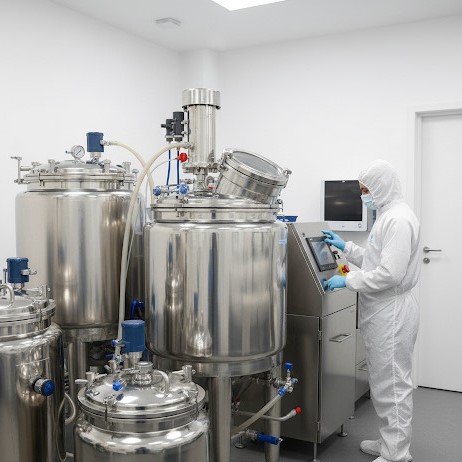
Regenerex Pharma, Inc. was incorporated in 2021. Regenerex has corporate offices located in Gordansville, Tennessee and a manufacturing facility in Memphis, Tennessee.